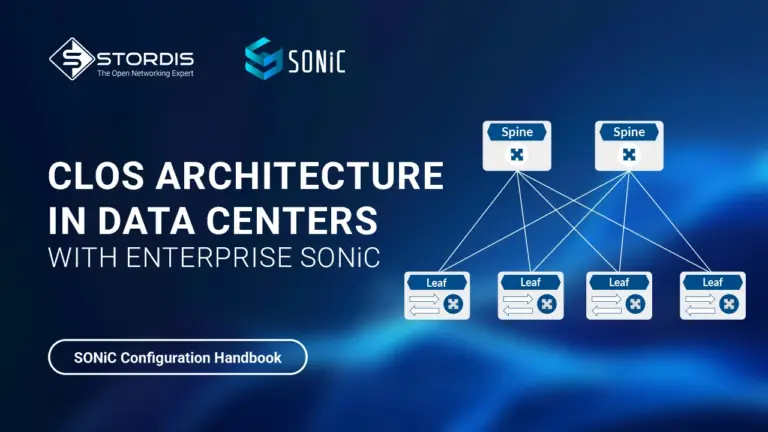
In modern data center networks, the Border Gateway Protocol (BGP) has emerged as a preferred routing protocol for building scalable and resilient underlay networks. As someone who’s implemented numerous data center fabrics, I’ve found that BGP’s flexibility and extensive feature set make it particularly well-suited for CLOS architectures. Enterprise SONiC, with its robust BGP implementation, […]
In modern data center networks, Dynamic Host Configuration Protocol (DHCP) plays a critical role in automating IP address assignment to network devices. However, DHCP’s reliance on broadcast traffic creates challenges in routed environments where broadcast domains are separated by Layer 3 boundaries. This is where DHCP Relay becomes essential. As someone who’s implemented DHCP Relay […]
Layer 2 switching is a fundamental networking capability that forms the backbone of modern data center networks. As networks evolve toward more open and flexible architectures, Enterprise SONiC (Software for Open Networking in the Cloud) has emerged as a powerful open-source network operating system that provides robust L2 switching capabilities. In this article, I’ll explore […]
As a network engineer who has deployed countless switches, I’ve experienced firsthand how time-consuming and error-prone manual configuration can be. That’s why I’m excited to share with you one of the most powerful features of Enterprise SONiC: Zero Touch Provisioning (ZTP). This automation capability has transformed how we bring up network infrastructure, making it faster, […]
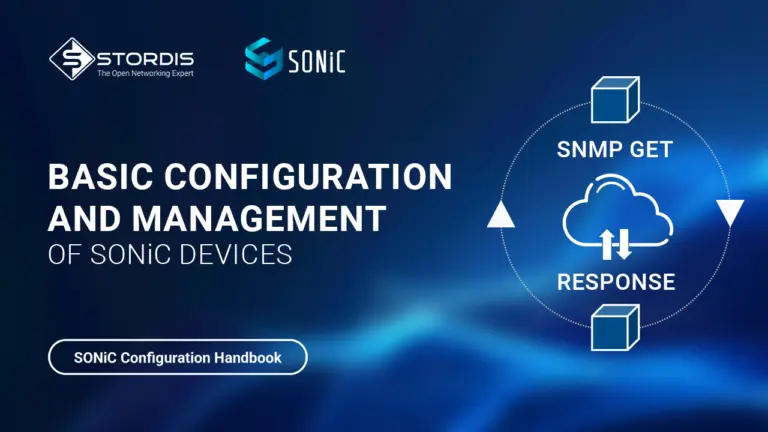
As data centers evolve to meet the demands of modern applications, network engineers are increasingly turning to open networking solutions like SONiC (Software for Open Networking in the Cloud). Enterprise SONiC provides a flexible, feature-rich platform for building scalable data center networks. However, like any network operating system, proper configuration and management are essential for […]
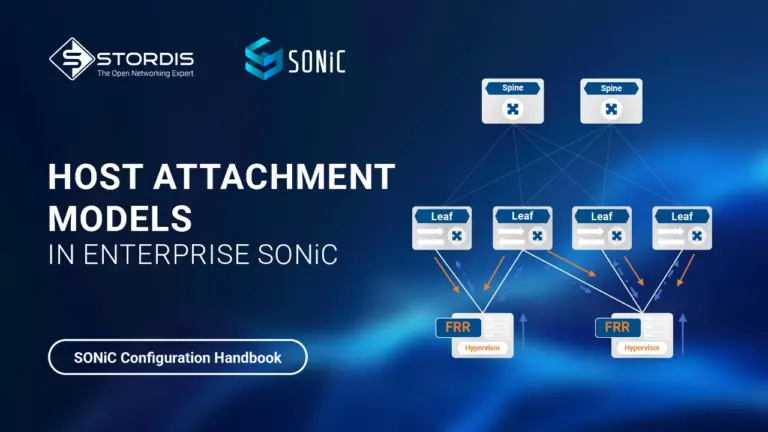
When designing a modern data center network with Enterprise SONiC, one of the most critical decisions is how to connect your servers to the network fabric. The host attachment model you choose impacts everything from redundancy and failover times to traffic distribution and application performance. In this article, I’ll explore the various host attachment models […]
In today’s rapidly evolving data center landscape, traditional three-tier network architectures are being replaced by more scalable and efficient designs. As someone who’s worked with various network architectures over the years, I’ve witnessed firsthand how modern applications have dramatically changed traffic patterns within data centers. The shift from monolithic applications to microservices-based architectures has resulted […]
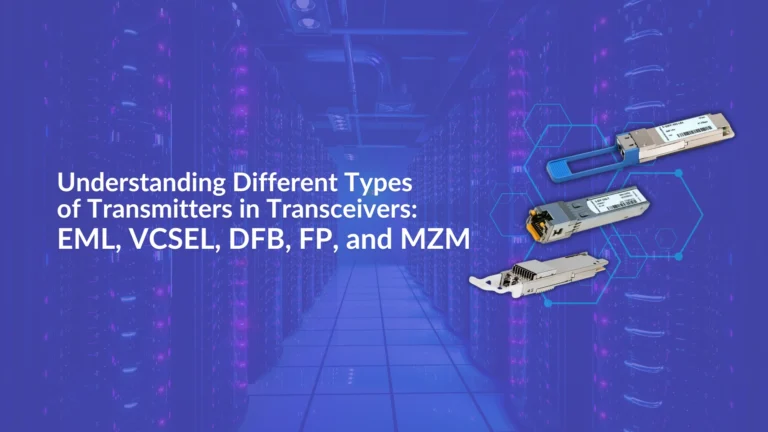
In the world of optical communication, transceivers play a critical role in transmitting and receiving data over fiber optic networks. A transceiver is a device that combines both transmitter and receiver functionalities. One of the most important components within a transceiver is the transmitter, which converts electrical signals into optical signals that can travel through […]
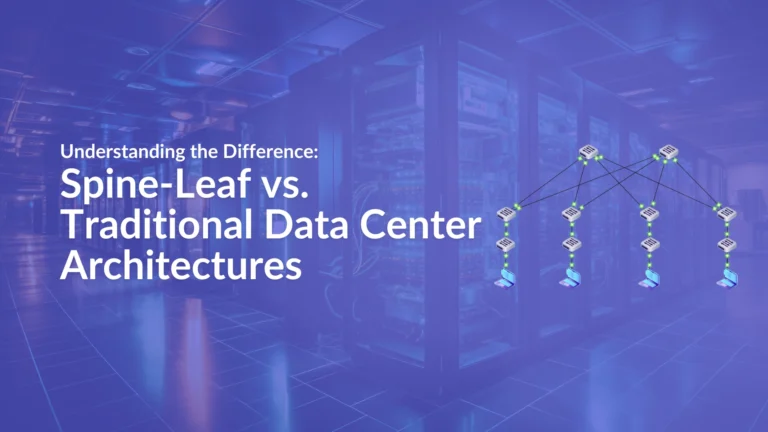
In today’s data-driven world, data centers are the backbone of modern IT infrastructure. With the increasing demand for cloud computing, big data, and AI, data centers need to scale efficiently and provide high-speed connectivity. Two key architectures used in data centers are Spine-Leaf and Traditional Three-Tier DC designs. Understanding the differences between them is crucial […]
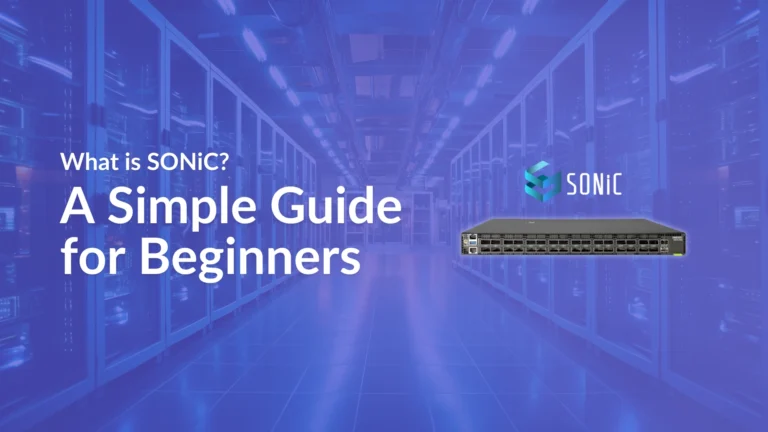
SONiC (Software for Open Networking in the Cloud) is an operating system designed for managing computer networks. Whether you’re a beginner, a network engineer, or just someone curious about modern technologies, SONiC offers a straightforward and flexible platform for learning and implementation. Let’s break down what makes SONiC special and how you can use it. […]
Introduction & My Own Journey Hey there! I’m Łukasz, an open networking enthusiast who started my IT career by climbing rooftops to install the first internet lines (copper, wireless and finally even some fiber… 😉) in my neighborhood. Back then, I had no idea how far networking would take me—fast-forward to working with Edgecore Networks […]
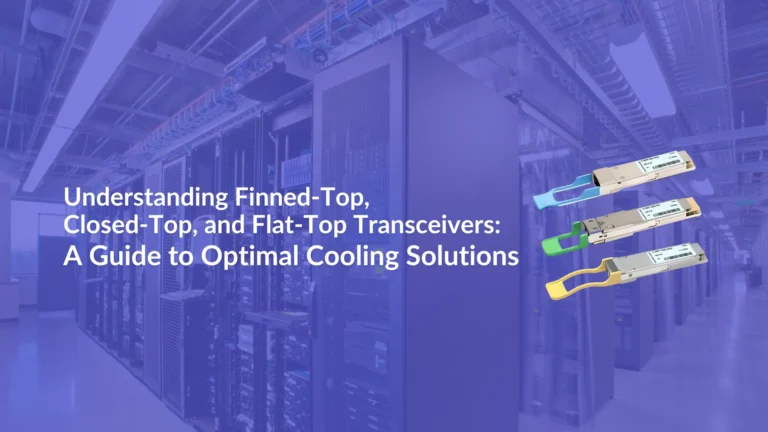
When it comes to networking hardware, efficient cooling is critical for ensuring long-lasting performance and reliability. Among all of the various components involved, transceivers play a crucial role in managing data transmissions within networks, and their thermal management designs can significantly impact their functionality. In this article, we explore three common types of transceivers—Finned-Top, Closed-Top, […]
Manage Consent
To provide the best experiences, we use technologies like cookies to store and/or access device information. Consenting to these technologies will allow us to process data such as browsing behavior or unique IDs on this site. Not consenting or withdrawing consent, may adversely affect certain features and functions.
Functional
Always active
The technical storage or access is strictly necessary for the legitimate purpose of enabling the use of a specific service explicitly requested by the subscriber or user, or for the sole purpose of carrying out the transmission of a communication over an electronic communications network.
Preferences
The technical storage or access is necessary for the legitimate purpose of storing preferences that are not requested by the subscriber or user.
Statistics
The technical storage or access that is used exclusively for statistical purposes.The technical storage or access that is used exclusively for anonymous statistical purposes. Without a subpoena, voluntary compliance on the part of your Internet Service Provider, or additional records from a third party, information stored or retrieved for this purpose alone cannot usually be used to identify you.
Marketing
The technical storage or access is required to create user profiles to send advertising, or to track the user on a website or across several websites for similar marketing purposes.